
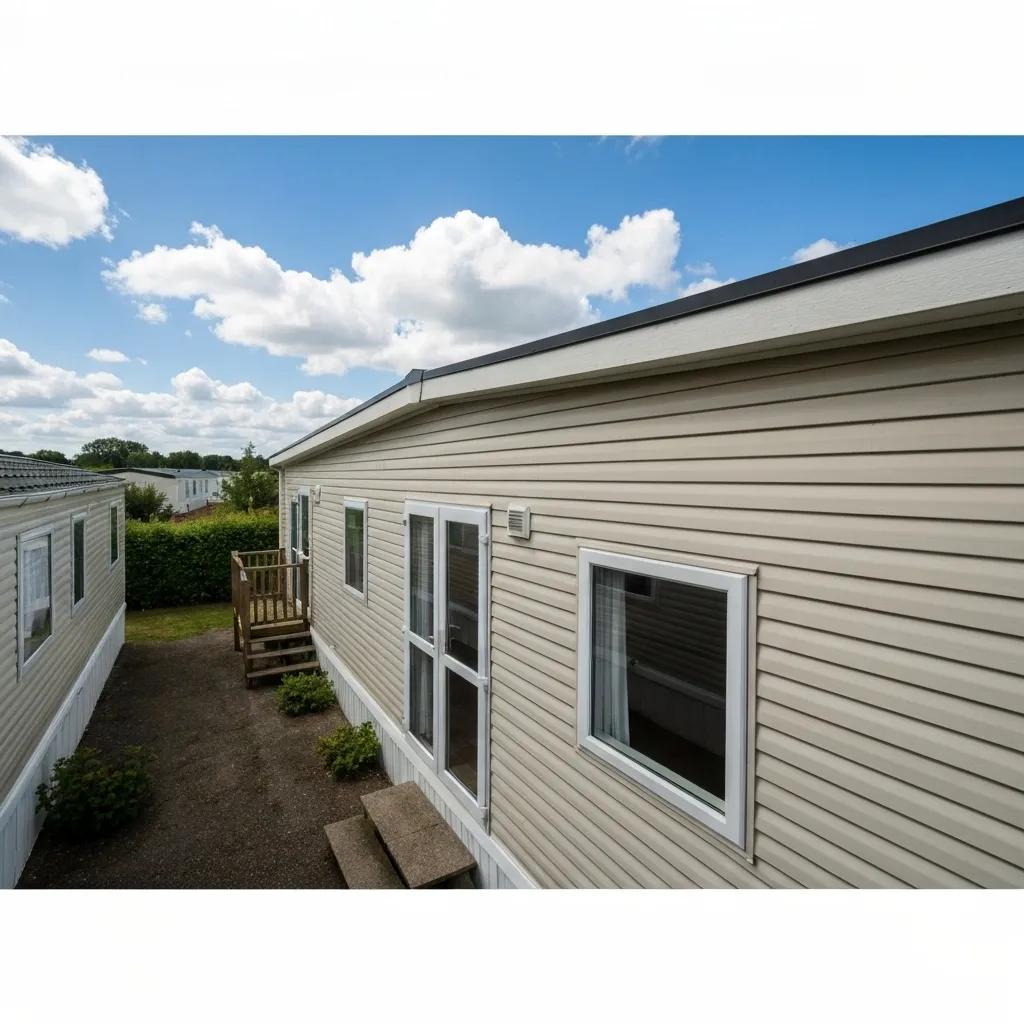
Relocating a factory-built home is a significant undertaking that calls for specialized heavy-haul gear, meticulous route planning, and strict adherence to safety rules. The typical cost for this service falls between $3,500 and $18,000. This comprehensive guide to moving manufactured homes will walk you through how to get accurate estimates for manufactured home transport, get your home ready for its journey, secure all necessary permits, choose a trustworthy company for manufactured home moving, follow top safety practices, handle the post-move setup, and select the right insurance. By understanding what influences the price, following a thorough preparation checklist, navigating state and federal regulations, and teaming up with licensed professionals, you can ensure your home’s move is safe, efficient, and stays within your budget.
What’s the Price Tag for Moving a Manufactured Home?

The cost to move a manufactured home generally ranges from $3,500 to $18,000. This price is influenced by the home’s size, the distance it needs to travel, and the specific services required. Larger homes and longer distances naturally demand more specialized equipment, additional permits, and possibly escort vehicles. For example, moving a 14-foot single-wide home about 50 miles might cost around $4,000, while transporting a 28-foot double-wide home over 200 miles could easily surpass $12,000. Having a clear picture of these figures helps homeowners budget effectively and plan for all the necessary services.
What Factors Play a Role in Manufactured Home Transport Costs?
Several key elements can affect the cost to transport a manufactured home by influencing labor time, government fees, and the type of equipment needed:
- Home Dimensions and Weight: Homes that are wider or heavier require additional pilot cars and specialized trailers for safe transport.
- Distance Traveled: The per-mile rate, typically between $4.00 and $5.50, adds up significantly on longer journeys.
- Service Level Chosen: Opting for transport-only means you’ll handle setup yourself, while full-service moves include disconnecting and reconnecting utilities and placing the home on its new site.
- Permit Fees: Fees for oversize load permits, state moving permits, and county tax certificates are fixed costs that must be factored in.
- Escort Vehicle Needs: Pilot cars, costing about $1.50–$1.65 per mile, and required police escorts can effectively double the regulatory expenses.
Understanding these cost drivers, such as distance and the home’s width, is crucial for planning your move efficiently and finding the most cost-effective solutions.
How Do Costs Compare for Moving Single-Wide vs. Double-Wide Manufactured Homes?
Here’s a look at the average manufactured home transport rates based on unit size, illustrating how width impacts the overall cost:
| Unit Type | Average Cost Range | Key Considerations |
|---|---|---|
| Single-wide | $3,500–$9,000 | Typically requires a standard trailer and one escort vehicle. |
| Double-wide | $7,000–$18,000 | Often involves splitting the home for transport and requires two escort vehicles. |
What’s the Difference Between Transport-Only and Full-Service Moves?
A transport-only service focuses solely on hauling your home from its current location to its new one, without any on-site preparation or setup. This option can reduce the base fee by about 20–30%. Full-service moves, on the other hand, offer a comprehensive package that includes:
- Disconnecting and reconnecting all utilities.
- Preparing the site and aligning the home with the foundation.
- Securing items inside the home and inspecting the exterior.
- Final placement and leveling of the home.
Choosing a transport-only service can lower your initial expense, but it means you’ll be responsible for all tasks before and after the move. Full-service moves provide ultimate convenience and minimize your personal effort, though they come with a higher overall price tag.
How Does Distance Affect the Price of Moving a Manufactured Home?
The distance your home travels directly impacts the total cost because mileage rates are applied. It’s essential to understand how these rates are structured:
- Tiered Mileage Rates: Expect rates like $4.50 per mile for the first 50 miles, $5.00 per mile for the next 150 miles, and $5.50 per mile for any distance beyond that.
- Permit Renewals: Some state permits may need to be renewed if the transport exceeds certain mileage limits, adding to the cost.
- Escort Vehicle Time: Fees for pilot cars and police escorts are calculated per mile, significantly increasing the expense for long-distance moves.
By estimating the mileage bracket your move falls into and considering the associated regulatory fees, you can get a more accurate picture of your moving expenses. You might also explore options like regional carriers, which could potentially reduce surcharges for long-distance hauls.
How Do You Get a Manufactured Home Ready for Safe Transport?
Proper preparation is key to maintaining your home’s structural integrity, preventing damage, and minimizing liability during manufactured home towing. Following a detailed checklist, such as removing exterior attachments and reinforcing corners, is essential before the haul-away.
What’s on the Checklist for Preparing a Manufactured Home for Moving?
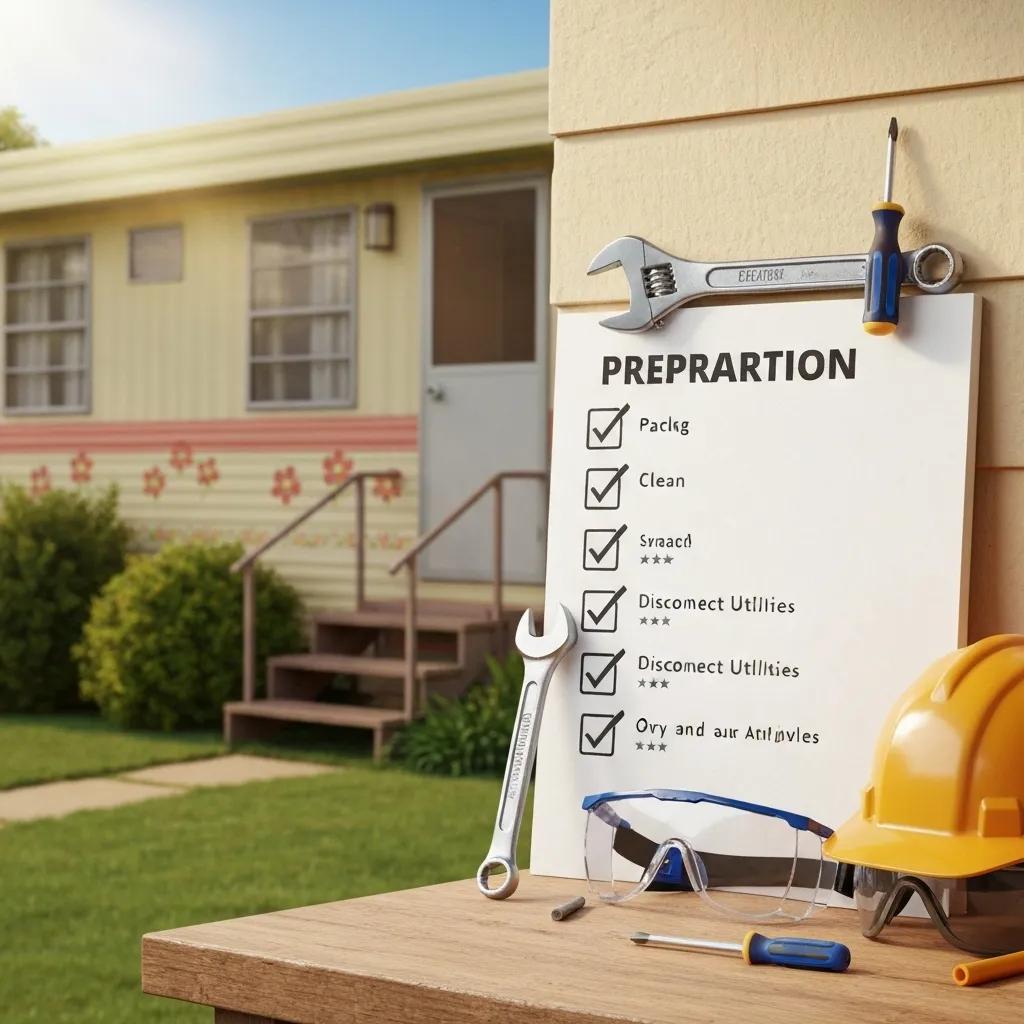
This checklist covers the crucial steps to take before your home is moved, ensuring its safety and making the logistics smoother:
- Remove any external additions like awnings, shutters, and carports.
- Secure or remove interior items, including appliances and any loose furniture.
- Reinforce the steel chassis at key points using corner braces to prevent any twisting during transit.
- Apply protective coverings to windows and doors to prevent them from breaking.
- Clearly label all utility lines and shutoff valves to aid in post-move reconnection.
How Should Utilities Be Disconnected Before Moving?
Disconnecting electricity, gas, water, and septic systems is vital to prevent accidents and comply with regulations:
- Electricity: Turn off all breakers at the main panel and then disconnect the service lines.
- Gas: Close the main gas valves, carefully purge the lines, and cap the outlets according to local building codes.
- Water: Drain all interior plumbing, close the main water supply valves, and disconnect the water heater hoses.
- Septic: Arrange for professional septic disconnection or tank cleaning before the home is detached.
How Do You Secure the Inside and Outside of a Manufactured Home?
Keeping the contents and the structure itself intact during the move depends on secure anchoring methods:
- Interior: Use adjustable straps to secure cabinets and appliances. Pack fragile items carefully in labeled crates.
- Exterior: Install corner brace systems and steel chokers onto the chassis. Then, attach heavy-duty ratchet straps from the frame to the trailer bed.
By properly securing both the interior and exterior, you significantly reduce the risk of items shifting during transit and minimize the chance of cosmetic damage, helping to preserve your home’s condition throughout the move.
What Structural Checks Are Necessary Before Transporting a Manufactured Home?
Inspecting the chassis, frame, and body of the home is essential to prevent any structural failures during transit. This ensures the home is ready to bear the load, for instance, by verifying that the axles are properly aligned:
| Component | Inspection Step | Acceptable Condition |
|---|---|---|
| Axles and Wheels | Check for any cracks and ensure proper bearing torque. | No visible damage; bearings should be tight. |
| Chassis Frame | Examine all welds and bracing points for integrity. | No signs of rust perforation or fractures. |
| Corner Braces | Verify that braces are securely tightened and welds are of good quality. | Braces should fit snugly with no deformation. |
What Permits Are Required to Move a Manufactured Home?
Obtaining the correct permits is crucial for legal compliance and to avoid delays, as most states classify wide loads as oversize cargo that requires special authorization.
Which State and Local Permits Are Needed for Moving a Manufactured Home?
Permit requirements can differ depending on the region, but commonly include:
- Oversize Load Permit: This permit is issued by the State Department of Transportation (DOT) for loads exceeding 8½ feet in width.
- Single-Trip Permit: This allows for a one-time haul within the borders of a specific state.
- County Tax Certificate: Some counties require this certificate to authorize road use fees.
- Weight Permits: These are necessary if the total weight of the transport exceeds the legal limits for axles.
It’s best to check the websites of both the state and county DOT well in advance to avoid fines and last-minute rescheduling.
How Do Oversize Load Permits Impact Manufactured Home Towing?
Oversize load permits significantly influence the planning and cost of your move by dictating:
- The specific highways and routes that are approved for oversize loads, along with permitted travel times.
- The required number of pilot cars needed to escort the load.
- Any restrictions on crossing certain bridges or roads due to weight or height limits.
- The duration for which the permit is valid before it needs to be renewed.
Adhering strictly to the stipulations in your permit helps prevent unexpected detours and ensures that safety standards are consistently maintained on public roads.
What Are the Requirements for Police Escorts and Pilot Cars?
Police escorts and pilot cars are essential for enhancing transport safety by:
- Alerting oncoming traffic with flashing lights and appropriate signage.
- Coordinating temporary road closures or lane shifts as permitted.
- Assisting the haul truck in navigating obstacles and tight turns.
In most states, one pilot car is required for every 10 feet of the home’s width. Additional police escort vehicles may be necessary for routes passing through populated areas or complex intersections.
How Do HUD and DOT Regulations Affect Permit Requirements?
HUD Standards set requirements for structural tie-downs, fire safety, and weather-resistant materials. Meanwhile, DOT Rules define the maximum dimensions, weight limits, and protocols for escort vehicles. Complying with both sets of regulations helps streamline the permit application process and demonstrates your commitment to adhering to federal and state safety frameworks.
How Do You Select the Right Manufactured Home Transport Company?
Choosing an experienced and reputable hauler is key to minimizing risks and ensuring a smooth move. This involves verifying their credentials, checking customer reviews, and understanding the range of services they offer.
What Licensing and Insurance Should Manufactured Home Movers Possess?
A reliable company for manufactured home moving should have the following:
- A Commercial Driver’s License (CDL) with a heavy-haul endorsement.
- Oversize Load Carrier Authority granted by the Federal Motor Carrier Safety Administration (FMCSA).
- Comprehensive Liability Insurance that covers cargo, property damage, and bodily injury.
- Workers’ Compensation insurance for their on-site rigging crews.
These qualifications confirm that the company operates legally, is financially responsible, and is committed to safe transportation practices.
How Can You Evaluate the Experience and Reviews of a Manufactured Home Transport Company?
You can assess a company’s expertise by looking into:
- How many years they have specialized in hauling manufactured homes.
- Customer testimonials that specifically mention on-time deliveries and positive experiences.
- Case studies that showcase their ability to handle complex route challenges.
- Membership in industry associations, such as the Specialized Carriers & Riggers Association (SC&RA).
Positive feedback regarding their efficiency in handling permits and ensuring damage-free relocations is a strong indicator of a transporter’s reliability and expertise.
What Services Are Typically Offered by Manufactured Home Transport Companies?
Moving companies usually offer services bundled into different packages:
| Service Package | Inclusions | Benefit |
|---|---|---|
| Transport-Only | Hauling the home from its origin to its destination. | A lower base rate; the homeowner manages all preparation and setup. |
| Turnkey Move | Includes utility disconnection, transport, and full setup at the new site. | Offers complete convenience from start to finish, minimizing hassle for the homeowner. |
| Partial Setup | Transport services plus site leveling and securing the home with tie-downs. | Provides a balance between cost and convenience, with some homeowner involvement. |
What Are the Advantages and Disadvantages of DIY vs. Professional Manufactured Home Moving?
- DIY Moving: While it might seem like a way to save on service fees, it significantly increases your personal liability. You’ll also need to rent specialized equipment and risk making errors with permits.
- Professional Relocation: This option provides comprehensive expertise, insured crews, and handles all permit management. Although the upfront cost is higher, it ensures compliance and safety.
Weighing the potential cost savings against the risks involved is key when deciding whether to hire licensed movers or manage the transport yourself.
What Are the Best Practices for Ensuring Safe Manufactured Home Transport?
A safe move hinges on meticulous route planning, using the correct equipment, employing secure fastening methods, and driving with extreme care to protect both the home and the public.
How Is Route Planning Conducted for Manufactured Home Towing?
Effective route planning involves:
- Mapping out highways that are approved for oversize loads.
- Identifying any restrictions related to bridge clearances and vehicle weight limits.
- Scheduling travel times to avoid peak traffic hours.
- Coordinating with local DOT authorities regarding any planned road closures.
Planning the route in advance helps minimize detours and ensures the transport proceeds without interruption, in accordance with permit conditions.
What Equipment and Vehicles Are Used for Manufactured Home Transport?
The specialized fleet typically used for these moves includes:
- Hydraulic lowboy trailers with beds that can be extended.
- Heavy-duty semi-trucks equipped with powerful winches and braking systems.
- Pilot car SUVs outfitted with communication radios for coordination.
- Kits for corner bracing and heavy-duty ratchet straps for securing the load.
Utilizing this specialized machinery and equipment is crucial for maintaining the manufactured home’s stability and ensuring compliance with all load-securement standards.
How Are Manufactured Homes Secured to Trailers During Transport?
Securing a manufactured home properly involves several critical steps:
- Attaching corner braces securely to the points on the chassis frame.
- Running heavy-duty straps through reinforced loops on the frame.
- Tightening the ratchets to the specified torque to prevent any movement.
- Wrapping the chassis rails with protective padding to prevent abrasion.
These actions create a solid connection between the home and the trailer, which helps reduce vibration and sway while driving on the highway.
What Driving Precautions Ensure Safe Manufactured Home Transport?
Professional drivers follow specific precautions to ensure safety:
- Adhering to reduced speed limits, typically between 45–55 mph, for wide loads.
- Maintaining increased following distances to ensure load stability.
- Conducting frequent inspections of brakes and tires during stops.
- Using two-way radios for constant communication with escort vehicles.
Employing cautious driving techniques helps maintain the load’s integrity and allows for prompt reactions to any road hazards encountered.
What Steps Should Be Taken After Manufactured Home Transport Is Complete?
Post-move procedures are essential for restoring the home’s full functionality and confirming that all structural and utility systems are operating safely.
How Is the Manufactured Home Set Up and Inspected After Moving?
Setting up a relocated home involves several key steps:
- Leveling the home’s chassis using adjustable piers or concrete blocks.
- Securing the home with tie-down straps to foundation anchors, following HUD guidelines.
- Conducting a thorough inspection of the exterior siding, roofing, and windows for any signs of transit damage.
- Testing the structural alignment to identify any potential frame distortions.
When and How Should Utilities Be Reconnected?
Reconnecting utilities restores essential services while ensuring compliance with all relevant codes:
- Water and Septic: Hire a licensed plumber to reconnect the water supply lines and perform leak tests.
- Gas: Engage a certified technician to purge the lines, pressurize the system, and conduct thorough odor inspections.
- Electricity: Coordinate with the utility provider to safely reenergize the circuits and verify proper grounding.
Scheduling utility reconnections immediately after the structural setup is complete helps minimize downtime and prevents potential property damage.
What Insurance Options Are Available for Manufactured Home Transport?
Selecting the appropriate coverage is vital for protecting yourself against the financial risks associated with transporting heavy manufactured dwellings.
What Types of Manufactured Home Transport Insurance Should You Consider?
The essential insurance policies to consider include:
- Carrier Cargo Insurance: This covers any damage that occurs to the home while it is in transit.
- Trucking Liability Insurance: This protects against third-party claims for property damage and bodily injury.
- Bolster Insurance: This covers specialized trailers and equipment against damage.
- Loss-of-Use Coverage: This compensates for expenses incurred due to delays or cancellations of the move.
How Does Liability Insurance Protect Manufactured Home Movers and Owners?
Liability insurance provides:
- Financial protection in the event of accidents involving other vehicles or property.
- Coverage for legal defense costs if injury or damage claims arise.
- Funds for settlements related to bodily injury and property restoration expenses.
This type of protection ensures that both transport businesses and homeowners are shielded from significant out-of-pocket losses resulting from accident claims.
How Does Homeowner’s Insurance Relate to Manufactured Home Moving?
Standard homeowner’s insurance policies typically do not cover risks associated with moving. Therefore, you may need:
- Endorsements for moving coverage added to your personal policy.
- Close coordination with the carrier’s cargo insurance to avoid any gaps in coverage.
- Thorough documentation of the home’s condition before the move, using photos and appraisals.
Aligning your home insurer’s coverage with that of your transport carrier is essential to guarantee comprehensive protection throughout the entire moving process.
Moving a manufactured home requires careful planning across several areas: estimating costs, preparing the home, complying with regulations, choosing the right services, ensuring safety, managing post-move setup, and securing adequate insurance. By breaking down the expenses, following a detailed pre-move checklist, obtaining the necessary permits, thoroughly vetting transport companies, and applying best practices at every stage, you can achieve a safe, efficient relocation that preserves your home’s integrity while keeping costs manageable.


0 Comments